
Volumes
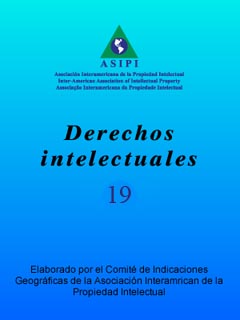
Intellectual Rights 19
Information
Type
Libro
Version
File Size
2.03 KB
Published Date
01/12/2014
Categoría
Volumes
Authors
Marcelo García Sellart
Alberto Berton Moreno
Hugo Alday Nieto
Edwin Urquidi
Alfredo Corral Ponce
María José Arancibia Obrador
Natalia Tobón Franco
Eduardo Varela Pezzano
Attached Files:
Array ( [icon] => [view_count] => 107 [download_count] => 9 [link_label] => Download [version] => [quota] => [access] => Array ( [0] => guest ) [package_size] => 2.03 KB [publish_date] => [expire_date] => [avail_date_ts] => [avail_date] => [expire_date_ts] => [download_limit_per_user] => [ID] => 182 [post_author] => 3154 [post_date] => 2016-06-20 17:00:48 [post_date_gmt] => 2016-06-20 23:00:48 [post_content] =>Intellectual Rights 19
ASIPI is proud to be able to present a new edition of the Magazine of Intellectual Rights. We invite you to be able to enjoy these interesting articles and to follow working with this commitment that ASIPI has had since its inception, we are we who make the crystals with which the world sees the Intellectual Property, we have a great responsibility and we must face it with intellectual creations like the ones we are presenting to you.- Juan Vanrell [su_accordion] [su_spoiler title="Fashion Law: Fashion Legal Crossroads by Marcelo García Sellart y Alberto Berton Moreno" open="no" style="default" icon="plus" anchor="" anchor_in_url="no" class=""] This work renders a global view on the Fashion Industry. From this perspective, the following intellectual and industrial property–related legal aspects of the fashion industry are analyzed: licenses of certification marks related to certain qualities or characteristics of the products, the protection of technologies included in the so called “wearable technologies”, and fashion as an object of copyright (with special emphasis on the application of the concept of parody in the fashion industry). The work leads to some conclusions regarding available protection strategies and possible conflicts originating in the analyzed aspects. [/su_spoiler] [su_spoiler title="El abuso en la explotación de las indicaciones de procedencia a través de registros marcarios innominados por Hugo Alday Nieto" open="no" style="default" icon="plus" anchor="" anchor_in_url="no" class=""] In this document we present a specific item of the regulation of graphic or Mexico unnamed brands that provide indications of origin, in the light of international treaties, mexican legislation and case law of national courts. [/su_spoiler] [su_spoiler title="Herramientas para el análisis de las palabras como signos distintivos por Edwin Urquidi " open="no" style="default" icon="plus" anchor="" anchor_in_url="no" class=""] A high percentage of distinctive signs requested and recorded in Industrial Property Offices, are comprised of simple and composite denominations, this means that a lot of controversies and oppositions arise from words, arbitrary, meaningful, imaginative, generic and usual. This article seeks to contribute new elements of analysis to understand the word as distinctive sign and its dynamic relationship with consumers highlights the need for and uses technical tools and systematized as the dictionary of Americanisms or phonetic expertise in the defense and protection distinctive signs shaped by words. [/su_spoiler] [su_spoiler title="Protección jurídica a las patentes de procedimiento: inversión de la carga de la prueba por Alfredo Corral Ponce" open="no" style="default" icon="plus" anchor="" anchor_in_url="no" class=""] Within this work we expose the problem of applying the “reverse burden of proof” in process patents and whether this figure operates automatically or necessarily must meet certain requirements. We will analyze if the legal institution of reversing the burden of proof is a separate institution and differs from the presumption juris tamtum or operates as a single legal structure. [/su_spoiler] [su_spoiler title="Protection as picture intangible assets of the company. Notes on the situation in Chile by María José Arancibia Obrador" open="no" style="default" icon="plus" anchor="" anchor_in_url="no" class=""] This paper aims to develop, from a general perspective, how the Chilean legal system is responsible for protecting the different elements that make up one of the most valuable intangible assets of the company, as is his image. To this end, first consider what the image of the company, and then refer to their different mechanisms of protection, with a special emphasis on current regulations on industrial property and unfair competition. [/su_spoiler] [su_spoiler title="Anécdotas del derecho de autor: de la antigüedad a nuestros días por Natalia Tobón Franco" open="no" style="default" icon="plus" anchor="" anchor_in_url="no" class=""] Partiendo de curiosas anécdotas, algunas jurídicas y otras no, este ensayo analiza el progreso de la protección a las obras artísticas y literarias antes de que existieran las modernas legislaciones sobre el derecho de autor. Los egipcios, griegos y romanos en la antigüedad compartían algunas ideas sobre la concepción de autoría, pero cada uno a su manera; las ideas religiosas de la edad media cambiaron la noción de “autor” y llevaron al primer “litigio” por un derecho autoral; la imprenta disparó la literatura y las monarquías de Europa inventaron las patentes y los privilegios para la comercialización de obras literarias; hasta que finalmente la Reina Ana promulgó su famoso estatuto de 1709-1710, reglamentando por primera vez el copyright; pero los franceses no se quedaron atrás, ideando su propio droit d’auteur. El ensayo concluye con un recuento de la tipificación del derecho de autor en América Latina y en el plano internacional. [/su_spoiler] [/su_accordion] [post_title] => Intellectual Rights 19 [post_excerpt] => Intellectual Rights 19 ASIPI is proud to be able to present a new edition of the Magazine of Intellectual Rights. We invite you to be able to enjoy these interesting articles and to follow working with this commitment that ASIPI has had since its inception, we are we who make the crystals with which […] [post_status] => publish [comment_status] => closed [ping_status] => closed [post_password] => [post_name] => derechos-intelectuales-19 [to_ping] => [pinged] => [post_modified] => 2022-05-31 02:17:25 [post_modified_gmt] => 2022-05-31 02:17:25 [post_content_filtered] => [post_parent] => 0 [guid] => http://asipi.org/?post_type=publicacion&p=1083 [menu_order] => 0 [post_type] => wpdmpro [post_mime_type] => [comment_count] => 0 [filter] => raw [post_content_ml] => [:es]Derechos Intelectuales 19
ASIPI está orgullosa de poder presentarles una nueva edición de la Revista de Derechos Intelectuales. Los invitamos a poder disfrutar de estos interesantes artículos y a seguir trabajando con este compromiso que ASIPI tiene desde sus inicios, somos nosotros quienes fabricamos los cristales con los cuales el mundo ve a la Propiedad Intelectual, tenemos una gran responsabilidad y debemos afrontarla con creaciones intelectuales como las que les estamos presentando.- Juan Vanrell [su_accordion] [su_spoiler title="Fashion Law: la encrucijada legal de moda por Marcelo García Sellart y Alberto Berton Moreno " open="no" style="default" icon="plus" anchor="" anchor_in_url="no" class=""] El presente trabajo plantea una mirada global sobre la industria de la moda. Desde esta perspectiva, se analizan los siguientes aspectos legales de la industria de la moda que se relacionan con la Propiedad Industrial e Intelectual: las licencias para marcas de certificación relativas a determinadas cualidades del producto, la protección de las tecnologías involucradas en las llamadas “tecnologías vestibles” (wearable technologies) y la moda como objeto del Derecho de Autor (con particular énfasis en la aplicación del concepto de parodia frente a la industria de la moda). El trabajo plantea algunas conclusiones en relación a las estrategias de protección y los posibles conflictos que se derivan de las cuestiones analizadas. [/su_spoiler] [su_spoiler title="El abuso en la explotación de las indicaciones de procedencia a través de registros marcarios innominados por Hugo Alday Nieto" open="no" style="default" icon="plus" anchor="" anchor_in_url="no" class=""] En el presente artículo exponemos un tema específico sobre la falta de regulación en México de marcas gráficas o innominadas que contemplan indicaciones de procedencia, a la luz de los tratados internacionales, la legislación mexicana y la jurisprudencia de los tribunales nacionales. [/su_spoiler] [su_spoiler title="Herramientas para el análisis de las palabras como signos distintivos por Edwin Urquidi " open="no" style="default" icon="plus" anchor="" anchor_in_url="no" class=""] Un alto porcentaje de signos distintivos solicitados y registrados en las oficinas de propiedad industrial como marcas están conformados por denominaciones simples y compuestas. Ello implica que una gran cantidad de controversias y oposiciones se originan a partir de palabras, arbitrarias, con significado, fantasiosas, genéricas y usuales. Este artículo pretende aportar nuevos elementos de análisis para comprender la palabra como signo distintivo y su dinámica relación con los consumidores, pone de relieve la necesidad de contar y usar herramientas técnicas y sistematizadas como el diccionario de americanismos o el peritaje fonético en la defensa y protección de los signos distintivos conformadas por palabras. [/su_spoiler] [su_spoiler title="Protección jurídica a las patentes de procedimiento: inversión de la carga de la prueba por Alfredo Corral Ponce" open="no" style="default" icon="plus" anchor="" anchor_in_url="no" class=""] En el presente documento exponemos la problemática de la aplicación de la “inversión de la carga de la prueba” en patentes de procedimiento y si esta figura opera de manera automática o si debe necesariamente cumplir ciertos requisitos. Veremos si la institución jurídica de la inversión de la carga de la prueba es una institución independiente y diferente de la presunción juris tamtum o si al contrario operan como una sola estructura jurídica. [/su_spoiler] [su_spoiler title="La protección de la imagen como un activo intangible de la empresa. Notas sobre su situación en Chile por María José Arancibia Obrador" open="no" style="default" icon="plus" anchor="" anchor_in_url="no" class=""] El presente trabajo pretende desarrollar, desde una perspectiva general, la manera como el ordenamiento jurídico chileno se encarga de proteger los distintos elementos que forman parte de uno de los activos intangibles más valiosos de la empresa, como es su imagen. Para estos efectos, se considerará en primer lugar en qué consiste la imagen de la empresa, para luego referirnos a sus distintos mecanismos de protección, con un especial énfasis a la regulación vigente en materia de propiedad industrial y de competencia desleal. [/su_spoiler] [su_spoiler title="Anécdotas del derecho de autor: de la antigüedad a nuestros días por Natalia Tobón Franco" open="no" style="default" icon="plus" anchor="" anchor_in_url="no" class=""] Partiendo de curiosas anécdotas, algunas jurídicas y otras no, este ensayo analiza el progreso de la protección a las obras artísticas y literarias antes de que existieran las modernas legislaciones sobre el derecho de autor. Los egipcios, griegos y romanos en la antigüedad compartían algunas ideas sobre la concepción de autoría, pero cada uno a su manera; las ideas religiosas de la edad media cambiaron la noción de “autor” y llevaron al primer “litigio” por un derecho autoral; la imprenta disparó la literatura y las monarquías de Europa inventaron las patentes y los privilegios para la comercialización de obras literarias; hasta que finalmente la Reina Ana promulgó su famoso estatuto de 1709-1710, reglamentando por primera vez el copyright; pero los franceses no se quedaron atrás, ideando su propio droit d’auteur. El ensayo concluye con un recuento de la tipificación del derecho de autor en América Latina y en el plano internacional. [/su_spoiler] [/su_accordion][:en]Intellectual Rights 19
ASIPI is proud to be able to present a new edition of the Magazine of Intellectual Rights. We invite you to be able to enjoy these interesting articles and to follow working with this commitment that ASIPI has had since its inception, we are we who make the crystals with which the world sees the Intellectual Property, we have a great responsibility and we must face it with intellectual creations like the ones we are presenting to you.- Juan Vanrell [su_accordion] [su_spoiler title="Fashion Law: Fashion Legal Crossroads by Marcelo García Sellart y Alberto Berton Moreno" open="no" style="default" icon="plus" anchor="" anchor_in_url="no" class=""] This work renders a global view on the Fashion Industry. From this perspective, the following intellectual and industrial property–related legal aspects of the fashion industry are analyzed: licenses of certification marks related to certain qualities or characteristics of the products, the protection of technologies included in the so called “wearable technologies”, and fashion as an object of copyright (with special emphasis on the application of the concept of parody in the fashion industry). The work leads to some conclusions regarding available protection strategies and possible conflicts originating in the analyzed aspects. [/su_spoiler] [su_spoiler title="El abuso en la explotación de las indicaciones de procedencia a través de registros marcarios innominados por Hugo Alday Nieto" open="no" style="default" icon="plus" anchor="" anchor_in_url="no" class=""] In this document we present a specific item of the regulation of graphic or Mexico unnamed brands that provide indications of origin, in the light of international treaties, mexican legislation and case law of national courts. [/su_spoiler] [su_spoiler title="Herramientas para el análisis de las palabras como signos distintivos por Edwin Urquidi " open="no" style="default" icon="plus" anchor="" anchor_in_url="no" class=""] A high percentage of distinctive signs requested and recorded in Industrial Property Offices, are comprised of simple and composite denominations, this means that a lot of controversies and oppositions arise from words, arbitrary, meaningful, imaginative, generic and usual. This article seeks to contribute new elements of analysis to understand the word as distinctive sign and its dynamic relationship with consumers highlights the need for and uses technical tools and systematized as the dictionary of Americanisms or phonetic expertise in the defense and protection distinctive signs shaped by words. [/su_spoiler] [su_spoiler title="Protección jurídica a las patentes de procedimiento: inversión de la carga de la prueba por Alfredo Corral Ponce" open="no" style="default" icon="plus" anchor="" anchor_in_url="no" class=""] Within this work we expose the problem of applying the “reverse burden of proof” in process patents and whether this figure operates automatically or necessarily must meet certain requirements. We will analyze if the legal institution of reversing the burden of proof is a separate institution and differs from the presumption juris tamtum or operates as a single legal structure. [/su_spoiler] [su_spoiler title="Protection as picture intangible assets of the company. Notes on the situation in Chile by María José Arancibia Obrador" open="no" style="default" icon="plus" anchor="" anchor_in_url="no" class=""] This paper aims to develop, from a general perspective, how the Chilean legal system is responsible for protecting the different elements that make up one of the most valuable intangible assets of the company, as is his image. To this end, first consider what the image of the company, and then refer to their different mechanisms of protection, with a special emphasis on current regulations on industrial property and unfair competition. [/su_spoiler] [su_spoiler title="Anécdotas del derecho de autor: de la antigüedad a nuestros días por Natalia Tobón Franco" open="no" style="default" icon="plus" anchor="" anchor_in_url="no" class=""] Partiendo de curiosas anécdotas, algunas jurídicas y otras no, este ensayo analiza el progreso de la protección a las obras artísticas y literarias antes de que existieran las modernas legislaciones sobre el derecho de autor. Los egipcios, griegos y romanos en la antigüedad compartían algunas ideas sobre la concepción de autoría, pero cada uno a su manera; las ideas religiosas de la edad media cambiaron la noción de “autor” y llevaron al primer “litigio” por un derecho autoral; la imprenta disparó la literatura y las monarquías de Europa inventaron las patentes y los privilegios para la comercialización de obras literarias; hasta que finalmente la Reina Ana promulgó su famoso estatuto de 1709-1710, reglamentando por primera vez el copyright; pero los franceses no se quedaron atrás, ideando su propio droit d’auteur. El ensayo concluye con un recuento de la tipificación del derecho de autor en América Latina y en el plano internacional. [/su_spoiler] [/su_accordion][:] [post_content_langs] => Array ( [es] => 1 [en] => 1 ) [post_title_ml] => [:es]Derechos Intelectuales 19[:en]Intellectual Rights 19[:] [post_title_langs] => Array ( [es] => 1 [en] => 1 ) [title] => Intellectual Rights 19 [description] =>Intellectual Rights 19
ASIPI is proud to be able to present a new edition of the Magazine of Intellectual Rights. We invite you to be able to enjoy these interesting articles and to follow working with this commitment that ASIPI has had since its inception, we are we who make the crystals with which the world sees the Intellectual Property, we have a great responsibility and we must face it with intellectual creations like the ones we are presenting to you.- Juan Vanrell
[author_name] => editor ASIPI
[author_profile_url] => https://staging.asipi.org/biblioteca/en/author/editorasipi/
[avatar_url] => https://asipi.org/biblioteca/wp-content/uploads/sites/14/2019/11/AF-Asipi-Logo-SinLeyenda.jpg
[avatar] =>  [create_date] => Monday June 20th, 2016
[update_date] => 31 May, 2022
[files] => Array
(
[1542844980361] => Derechos-Intelectuales-19.pdf
)
[file_count] => 1
[file_list] =>
[create_date] => Monday June 20th, 2016
[update_date] => 31 May, 2022
[files] => Array
(
[1542844980361] => Derechos-Intelectuales-19.pdf
)
[file_count] => 1
[file_list] => | File | |
|---|---|
| Derechos-Intelectuales-19.pdf |
| File | |
|---|---|
| Derechos-Intelectuales-19.pdf |
| File | |
|---|---|
| Derechos-Intelectuales-19.pdf |
 [btnclass] => btn btn-primary
[tags] =>
[file_size] => 2.03 KB
[download_url] => https://staging.asipi.org/biblioteca/en/download/derechos-intelectuales-19/?wpdmdl=182&refresh=6a66798b7e47a1785100683
[download_link] => Download
[download_link_extended] => Download
[download_link_popup] => Download
[formatted] => 1
[__template] =>
[__template_type] => page
[popover_preview] =>
[btnclass] => btn btn-primary
[tags] =>
[file_size] => 2.03 KB
[download_url] => https://staging.asipi.org/biblioteca/en/download/derechos-intelectuales-19/?wpdmdl=182&refresh=6a66798b7e47a1785100683
[download_link] => Download
[download_link_extended] => Download
[download_link_popup] => Download
[formatted] => 1
[__template] =>
[__template_type] => page
[popover_preview] => 
Intellectual Rights 19
Derechos-Intelectuales-19.pdf
Intellectual Rights 19
ASIPI is proud to be able to present a new edition of the Magazine of Intellectual Rights. We invite you to be able to enjoy these interesting articles and to follow working with this commitment that ASIPI has had since its inception, we are we who make the crystals with which the world sees the Intellectual Property, we have a great responsibility and we must face it with intellectual creations like the ones we are presenting to you.- Juan Vanrell
This work renders a global view on the Fashion Industry. From this perspective, the following intellectual and industrial property–related legal aspects of the fashion industry are analyzed: licenses of certification marks related to certain qualities or characteristics of the products, the protection of technologies included in the so called “wearable technologies”, and fashion as an object of copyright (with special emphasis on the application of the concept of parody in the fashion industry). The work leads to some conclusions regarding available protection strategies and possible conflicts originating in the analyzed aspects.
In this document we present a specific item of the regulation of graphic or Mexico unnamed brands that provide indications of origin, in the light of international treaties, mexican legislation and case law of national courts.
A high percentage of distinctive signs requested and recorded in Industrial Property Offices, are comprised of simple and composite denominations, this means that a lot of controversies and oppositions arise from words, arbitrary, meaningful, imaginative, generic and usual. This article seeks to contribute new elements of analysis to understand the word as distinctive sign and its dynamic relationship with consumers highlights the need for and uses technical tools and systematized as the dictionary of Americanisms or phonetic expertise in the defense and protection distinctive signs shaped by words.
Within this work we expose the problem of applying the “reverse burden of proof” in process patents and whether this figure operates automatically or necessarily must meet certain requirements. We will analyze if the legal institution of reversing the burden of proof is a separate institution and differs from the presumption juris tamtum or operates as a single legal structure.
This paper aims to develop, from a general perspective, how the Chilean legal system is responsible for protecting the different elements that make up one of the most valuable intangible assets of the company, as is his image. To this end, first consider what the image of the company, and then refer to their different mechanisms of protection, with a special emphasis on current regulations on industrial property and unfair competition.
Partiendo de curiosas anécdotas, algunas jurídicas y otras no, este ensayo analiza el progreso de la protección a las obras artísticas y literarias antes de que existieran las modernas legislaciones sobre el derecho de autor. Los egipcios, griegos y romanos en la antigüedad compartían algunas ideas sobre la concepción de autoría, pero cada uno a su manera; las ideas religiosas de la edad media cambiaron la noción de “autor” y llevaron al primer “litigio” por un derecho autoral; la imprenta disparó la literatura y las monarquías de Europa inventaron las patentes y los privilegios para la comercialización de obras literarias; hasta que finalmente la Reina Ana promulgó su famoso estatuto de 1709-1710, reglamentando por primera vez el copyright; pero los franceses no se quedaron atrás, ideando su propio droit d’auteur. El ensayo concluye con un recuento de la tipificación del derecho de autor en América Latina y en el plano internacional.
Share: