
Specialized Publications
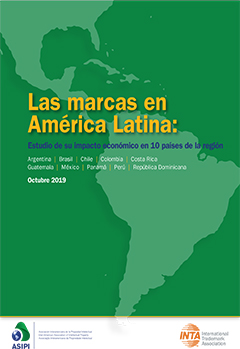
Estudio ASIPI/INTA "Las marcas en América Latina"
Information
Type
Libro
Version
1.0
File Size
58.76 MB
Published Date
28/10/2019
Categoría
Specialized Publications
Authors
ASIPI e INTA
Attached Files:
Array ( [icon] => [view_count] => 175 [download_count] => 3675 [link_label] => Download [version] => 1.0 [quota] => [access] => Array ( [0] => guest ) [package_size] => 58.76 MB [publish_date] => [expire_date] => [download_limit_per_user] => [avail_date_ts] => [avail_date] => [expire_date_ts] => [ID] => 949 [post_author] => 3154 [post_date] => 2019-10-27 04:50:43 [post_date_gmt] => 2019-10-27 04:50:43 [post_content] =>Estudio ASIPI/INTA "Las marcas en América Latina"
More recently, two relevant case-studies on trademarks have been developed for the United States of America and the European Union2. They illustrate the positive impact of trademark-intensive economic sectors in those economies. Both studies show that some industries within each economy are more trademark-intensive compared to others. Many of those industries are more intensive in the use of trademarks because they register more trademarks per employee or unit of sales as compared with the rest of the economy. According to the results of the analysis for these advanced economies, their trademarkintensive sectors make a vital contribution to the economic activity, employment, and external trade in their countries. They also pay a premium wage, i.e., they pay salaries that are systematically higher than those of the rest of the economy. Taking into account the fact that trademarks have proved useful in developing countries and that the results for the United States and European Union show a positive contribution of trademark-intensive sectors to their economies, the natural question that followed from these two studies was whether trademarkintensive sectors also convey a positive contribution to the economies of developing countries. To answer this question, this study analyzed the case of 10 Latin-America and Caribbean countries: Argentina, Brazil, Colombia, Costa Rica, Chile, Dominican Republic, Guatemala, Mexico, Panama, and Peru.
Economic Impact in 10 Latin American and Caribbean Countries
INFOGRAPHICS
Argentina | Brasil | Chile | Colombia | Costa Rica
Dominican Republic | Guatemala | México | Panamá | Perú
[post_title] => Estudio ASIPI/INTA “Las marcas en América Latina” [post_excerpt] => Estudio ASIPI/INTA “Las marcas en América Latina” More recently, two relevant case-studies on trademarks have been developed for the United States of America and the European Union2. They illustrate the positive impact of trademark-intensive economic sectors in those economies. Both studies show that some industries within each economy are more trademark-intensive compared to others. […] [post_status] => publish [comment_status] => closed [ping_status] => closed [post_password] => [post_name] => impactstudy [to_ping] => [pinged] => [post_modified] => 2023-05-09 14:02:30 [post_modified_gmt] => 2023-05-09 14:02:30 [post_content_filtered] => [post_parent] => 0 [guid] => http://asipi.org/biblioteca/?post_type=wpdmpro&p=949 [menu_order] => 0 [post_type] => wpdmpro [post_mime_type] => [comment_count] => 0 [filter] => raw [post_content_ml] => [:es]Estudio ASIPI/INTA "Las marcas en América Latina"
El objetivo central del estudio es evaluar el impacto económico de las actividades intensivas en marcas en diez países de América Latina y el Caribe: Argentina, Brasil, Chile, Colombia, Costa Rica, Guatemala, México, Panamá, Perú y República Dominicana. El principal interrogante que se busca contestar es el siguiente: ¿Cuál es la incidencia de las actividades intensivas en marcas sobre el empleo, las remuneraciones, la actividad económica y las exportaciones e importaciones de los países seleccionados? Los resultados elaborados muestran que las actividades intensivas en marcas tienen una participación significativa en términos de empleo, actividad económica y comercio exterior en las economías de los países latinoamericanos bajo estudio. Además, las actividades intensivas en marcas pagan salarios mayores, lo que sugiere un mayor nivel de productividad de las empresas que usan marcas para identificar a sus productos y servicios. Por último, el estudio encuentra que el grado y alcance de la contribución de estas actividades intensivas en marcas a sus economías en los países de América Latina y el Caribe seleccionados se encuentra en línea con el impacto documentado para los casos de los Estados Unidos y la Unión Europea, teniendo en cuenta las diferencias de desarrollo entre ambos grupos de países.
Estudio de su impacto económico en 10 países de la Región
INFOGRAFÍAS
Argentina | Brasil | Chile | Colombia | Costa Rica
Guatemala | México | Panamá | Perú | República Dominicana
[:en]Estudio ASIPI/INTA "Las marcas en América Latina"
More recently, two relevant case-studies on trademarks have been developed for the United States of America and the European Union2. They illustrate the positive impact of trademark-intensive economic sectors in those economies. Both studies show that some industries within each economy are more trademark-intensive compared to others. Many of those industries are more intensive in the use of trademarks because they register more trademarks per employee or unit of sales as compared with the rest of the economy. According to the results of the analysis for these advanced economies, their trademarkintensive sectors make a vital contribution to the economic activity, employment, and external trade in their countries. They also pay a premium wage, i.e., they pay salaries that are systematically higher than those of the rest of the economy. Taking into account the fact that trademarks have proved useful in developing countries and that the results for the United States and European Union show a positive contribution of trademark-intensive sectors to their economies, the natural question that followed from these two studies was whether trademarkintensive sectors also convey a positive contribution to the economies of developing countries. To answer this question, this study analyzed the case of 10 Latin-America and Caribbean countries: Argentina, Brazil, Colombia, Costa Rica, Chile, Dominican Republic, Guatemala, Mexico, Panama, and Peru.
Economic Impact in 10 Latin American and Caribbean Countries
INFOGRAPHICS
Argentina | Brasil | Chile | Colombia | Costa Rica
Dominican Republic | Guatemala | México | Panamá | Perú
[:] [post_content_langs] => Array ( [es] => 1 [en] => 1 ) [title] => Estudio ASIPI/INTA "Las marcas en América Latina" [description] =>Estudio ASIPI/INTA "Las marcas en América Latina"
More recently, two relevant case-studies on trademarks have been developed for the United States of America and the European Union2. They illustrate the positive impact of trademark-intensive economic sectors in those economies. Both studies show that some industries within each economy are more trademark-intensive compared to others. Many of those industries are more intensive in the use of trademarks because they register more trademarks per employee or unit of sales as compared with the rest of the economy. According to the results of the analysis for these advanced economies, their trademarkintensive sectors make a vital contribution to the economic activity, employment, and external trade in their countries. They also pay a premium wage, i.e., they pay salaries that are systematically higher than those of the rest of the economy. Taking into account the fact that trademarks have proved useful in developing countries and that the results for the United States and European Union show a positive contribution of trademark-intensive sectors to their economies, the natural question that followed from these two studies was whether trademarkintensive sectors also convey a positive contribution to the economies of developing countries. To answer this question, this study analyzed the case of 10 Latin-America and Caribbean countries: Argentina, Brazil, Colombia, Costa Rica, Chile, Dominican Republic, Guatemala, Mexico, Panama, and Peru.
Economic Impact in 10 Latin American and Caribbean Countries
INFOGRAPHICS
Argentina | Brasil | Chile | Colombia | Costa Rica
Dominican Republic | Guatemala | México | Panamá | Perú
[excerpt] => [thumb] => [preview] => https://staging.asipi.org/biblioteca/wp-content/uploads/sites/14/2019/10/INTA-LatinAmreicanStudy-Spanish-2-.jpg [preview_alt] => [preview_title] => INTA-LatinAmreicanStudy-Spanish-2- [featured_image] =>
[author_name] => editor ASIPI
[author_profile_url] => https://staging.asipi.org/biblioteca/en/author/editorasipi/
[avatar_url] => https://asipi.org/biblioteca/wp-content/uploads/sites/14/2019/11/AF-Asipi-Logo-SinLeyenda.jpg
[avatar] =>  [create_date] => Sunday October 27th, 2019
[update_date] => 9 May, 2023
[files] => Array
(
[1572206505079] => INTA-LatinAmreicanStudy-Spanish.pdf
[1572206732369] => INTA-LatinAmreicanStudy-Spanish-ExecutiveSummary.pdf
[1572207718369] => INTA-LatinAmreicanStudy-ExecSummary-ENGLISH.pdf
[1572208613883] => INTA-LatinAmreicanStudy-Portuguese-ExecutiveSummary.pdf
[1572209538236] => INTA-LatinAmreicanStudy-KeyFindings-SPANISH.pdf
[1572209713421] => INTA-LatinAmreicanStudy-KeyFindings-ENGLISH.pdf
[1572210215126] => INTA-LatinAmreicanStudy-KeyFindings-PORTUGUESE.pdf
[1573232469070] => TM-LatinAmerica-Global-Infographic-Español.pdf
[1573232287017] => TM-LatinAmerica-Global-Infographic-English.pdf
[1573232114916] => TM-LatinAmerica-Global-Infographic-Portuguese.pdf
[1151] => https://asipi.org/biblioteca/wp-content/uploads/sites/14/2019/11/Argentina-Infographic-ES-v2.pdf
[1140] => https://asipi.org/biblioteca/wp-content/uploads/sites/14/2019/11/TM-LatinAmerica-Argentina-Infographic.pdf
[1132] => https://asipi.org/biblioteca/wp-content/uploads/sites/14/2019/11/TM-LatinAmerica-Brazil-Infographic-Portuguese.pdf
[1141] => https://asipi.org/biblioteca/wp-content/uploads/sites/14/2019/11/TM-LatinAmerica-Brazil-Infographic-English.pdf
[1131] => https://asipi.org/biblioteca/wp-content/uploads/sites/14/2019/11/TM-LatinAmerica-Chile-Infographic-Spanish.pdf
[1142] => https://asipi.org/biblioteca/wp-content/uploads/sites/14/2019/11/TM-LatinAmerica-Chile-Infographic-English.pdf
[1133] => https://asipi.org/biblioteca/wp-content/uploads/sites/14/2019/11/TM-LatinAmerica-Colombia-Infographic-Spanish.pdf
[1149] => https://asipi.org/biblioteca/wp-content/uploads/sites/14/2019/11/TM-LatinAmerica-CostaRica-Infographic-Spanish.pdf
[1143] => https://asipi.org/biblioteca/wp-content/uploads/sites/14/2019/11/TM-LatinAmerica-CostaRica-Infographic.pdf
[1135] => https://asipi.org/biblioteca/wp-content/uploads/sites/14/2019/11/TM-LatinAmerica-Guatemala-Infographic-Spanish.pdf
[1145] => https://asipi.org/biblioteca/wp-content/uploads/sites/14/2019/11/TM-LatinAmerica-Guatemala-Infographic.pdf
[1136] => https://asipi.org/biblioteca/wp-content/uploads/sites/14/2019/11/TM-LatinAmerica-Mexico-Infographic-Spanish.pdf
[1146] => https://asipi.org/biblioteca/wp-content/uploads/sites/14/2019/11/TM-LatinAmerica-Mexico-Infographic.pdf
[1150] => https://asipi.org/biblioteca/wp-content/uploads/sites/14/2019/11/Panama-Infographic-ES-v2.pdf
[1147] => https://asipi.org/biblioteca/wp-content/uploads/sites/14/2019/11/TM-LatinAmerica-Panama-Infographic.pdf
[1138] => https://asipi.org/biblioteca/wp-content/uploads/sites/14/2019/11/TM-LatinAmerica-Peru-Infographic-Spanish.pdf
[1148] => https://asipi.org/biblioteca/wp-content/uploads/sites/14/2019/11/TM-LatinAmerica-Peru-Infographic.pdf
[1139] => https://asipi.org/biblioteca/wp-content/uploads/sites/14/2019/11/TM-LatinAmerica-DominicanRepublic-Infographic-Spanish.pdf
[1144] => https://asipi.org/biblioteca/wp-content/uploads/sites/14/2019/11/TM-LatinAmerica-DominicanRepublic-Infographic.pdf
)
[file_count] => 29
[file_list] =>
[create_date] => Sunday October 27th, 2019
[update_date] => 9 May, 2023
[files] => Array
(
[1572206505079] => INTA-LatinAmreicanStudy-Spanish.pdf
[1572206732369] => INTA-LatinAmreicanStudy-Spanish-ExecutiveSummary.pdf
[1572207718369] => INTA-LatinAmreicanStudy-ExecSummary-ENGLISH.pdf
[1572208613883] => INTA-LatinAmreicanStudy-Portuguese-ExecutiveSummary.pdf
[1572209538236] => INTA-LatinAmreicanStudy-KeyFindings-SPANISH.pdf
[1572209713421] => INTA-LatinAmreicanStudy-KeyFindings-ENGLISH.pdf
[1572210215126] => INTA-LatinAmreicanStudy-KeyFindings-PORTUGUESE.pdf
[1573232469070] => TM-LatinAmerica-Global-Infographic-Español.pdf
[1573232287017] => TM-LatinAmerica-Global-Infographic-English.pdf
[1573232114916] => TM-LatinAmerica-Global-Infographic-Portuguese.pdf
[1151] => https://asipi.org/biblioteca/wp-content/uploads/sites/14/2019/11/Argentina-Infographic-ES-v2.pdf
[1140] => https://asipi.org/biblioteca/wp-content/uploads/sites/14/2019/11/TM-LatinAmerica-Argentina-Infographic.pdf
[1132] => https://asipi.org/biblioteca/wp-content/uploads/sites/14/2019/11/TM-LatinAmerica-Brazil-Infographic-Portuguese.pdf
[1141] => https://asipi.org/biblioteca/wp-content/uploads/sites/14/2019/11/TM-LatinAmerica-Brazil-Infographic-English.pdf
[1131] => https://asipi.org/biblioteca/wp-content/uploads/sites/14/2019/11/TM-LatinAmerica-Chile-Infographic-Spanish.pdf
[1142] => https://asipi.org/biblioteca/wp-content/uploads/sites/14/2019/11/TM-LatinAmerica-Chile-Infographic-English.pdf
[1133] => https://asipi.org/biblioteca/wp-content/uploads/sites/14/2019/11/TM-LatinAmerica-Colombia-Infographic-Spanish.pdf
[1149] => https://asipi.org/biblioteca/wp-content/uploads/sites/14/2019/11/TM-LatinAmerica-CostaRica-Infographic-Spanish.pdf
[1143] => https://asipi.org/biblioteca/wp-content/uploads/sites/14/2019/11/TM-LatinAmerica-CostaRica-Infographic.pdf
[1135] => https://asipi.org/biblioteca/wp-content/uploads/sites/14/2019/11/TM-LatinAmerica-Guatemala-Infographic-Spanish.pdf
[1145] => https://asipi.org/biblioteca/wp-content/uploads/sites/14/2019/11/TM-LatinAmerica-Guatemala-Infographic.pdf
[1136] => https://asipi.org/biblioteca/wp-content/uploads/sites/14/2019/11/TM-LatinAmerica-Mexico-Infographic-Spanish.pdf
[1146] => https://asipi.org/biblioteca/wp-content/uploads/sites/14/2019/11/TM-LatinAmerica-Mexico-Infographic.pdf
[1150] => https://asipi.org/biblioteca/wp-content/uploads/sites/14/2019/11/Panama-Infographic-ES-v2.pdf
[1147] => https://asipi.org/biblioteca/wp-content/uploads/sites/14/2019/11/TM-LatinAmerica-Panama-Infographic.pdf
[1138] => https://asipi.org/biblioteca/wp-content/uploads/sites/14/2019/11/TM-LatinAmerica-Peru-Infographic-Spanish.pdf
[1148] => https://asipi.org/biblioteca/wp-content/uploads/sites/14/2019/11/TM-LatinAmerica-Peru-Infographic.pdf
[1139] => https://asipi.org/biblioteca/wp-content/uploads/sites/14/2019/11/TM-LatinAmerica-DominicanRepublic-Infographic-Spanish.pdf
[1144] => https://asipi.org/biblioteca/wp-content/uploads/sites/14/2019/11/TM-LatinAmerica-DominicanRepublic-Infographic.pdf
)
[file_count] => 29
[file_list] => | File | Action |
|---|---|
| INTA-LatinAmericanStudy-Full Report -ESPAÑOL | Download |
| INTA-LatinAmericanStudy-Executive Summary - ESPAÑOL | Download |
| INTA-LatinAmericanStudy-Executive Summary-ENGLISH | Download |
| INTA-LatinAmericanStudy-Executive Summary-PORTUGUESE | Download |
| INTA-LatinAmericanStudy-Key Findings-ESPAÑOL | Download |
| INTA-LatinAmericanStudy-Key Findings-ENGLISH | Download |
| INTA-LatinAmericanStudy-Key Findings-PORTUGUESE | Download |
| TM-LatinAmerica-Global-Infographic-ESPAÑOL | Download |
| TM-LatinAmerica-Global-Infographic-ENGLISH | Download |
| TM-LatinAmerica-Global-Infographic-PORTUGUESE | Download |
| Infografía Argentina - Español | Download |
| TM-LatinAmerica-Argentina-Infographic | Download |
| TM-LatinAmerica-Brazil-Infographic-Portuguese | Download |
| TM-LatinAmerica-Brazil-Infographic - English | Download |
| TM-LatinAmerica-Chile-Infographic-Spanish | Download |
| TM-LatinAmerica-Chile-Infographic-English | Download |
| TM-LatinAmerica-Colombia-Infographic-Spanish | Download |
| TM-LatinAmerica-CostaRica-Infographic-Spanish | Download |
| TM-LatinAmerica-CostaRica-Infographic | Download |
| TM-LatinAmerica-Guatemala-Infographic-Spanish | Download |
| TM-LatinAmerica-Guatemala-Infographic | Download |
| TM-LatinAmerica-Mexico-Infographic-Spanish | Download |
| TM-LatinAmerica-Mexico-Infographic | Download |
| Panama Infographic ES v2 | Download |
| TM-LatinAmerica-Panama-Infographic | Download |
| TM-LatinAmerica-Peru-Infographic-Spanish | Download |
| TM-LatinAmerica-Peru-Infographic | Download |
| TM-LatinAmerica-DominicanRepublic-Infographic-Spanish | Download |
| TM-LatinAmerica-DominicanRepublic-Infographic | Download |
| File | Action |
|---|---|
| INTA-LatinAmericanStudy-Full Report -ESPAÑOL | Download |
| INTA-LatinAmericanStudy-Executive Summary - ESPAÑOL | Download |
| INTA-LatinAmericanStudy-Executive Summary-ENGLISH | Download |
| INTA-LatinAmericanStudy-Executive Summary-PORTUGUESE | Download |
| INTA-LatinAmericanStudy-Key Findings-ESPAÑOL | Download |
| INTA-LatinAmericanStudy-Key Findings-ENGLISH | Download |
| INTA-LatinAmericanStudy-Key Findings-PORTUGUESE | Download |
| TM-LatinAmerica-Global-Infographic-ESPAÑOL | Download |
| TM-LatinAmerica-Global-Infographic-ENGLISH | Download |
| TM-LatinAmerica-Global-Infographic-PORTUGUESE | Download |
| Infografía Argentina - Español | Download |
| TM-LatinAmerica-Argentina-Infographic | Download |
| TM-LatinAmerica-Brazil-Infographic-Portuguese | Download |
| TM-LatinAmerica-Brazil-Infographic - English | Download |
| TM-LatinAmerica-Chile-Infographic-Spanish | Download |
| TM-LatinAmerica-Chile-Infographic-English | Download |
| TM-LatinAmerica-Colombia-Infographic-Spanish | Download |
| TM-LatinAmerica-CostaRica-Infographic-Spanish | Download |
| TM-LatinAmerica-CostaRica-Infographic | Download |
| TM-LatinAmerica-Guatemala-Infographic-Spanish | Download |
| TM-LatinAmerica-Guatemala-Infographic | Download |
| TM-LatinAmerica-Mexico-Infographic-Spanish | Download |
| TM-LatinAmerica-Mexico-Infographic | Download |
| Panama Infographic ES v2 | Download |
| TM-LatinAmerica-Panama-Infographic | Download |
| TM-LatinAmerica-Peru-Infographic-Spanish | Download |
| TM-LatinAmerica-Peru-Infographic | Download |
| TM-LatinAmerica-DominicanRepublic-Infographic-Spanish | Download |
| TM-LatinAmerica-DominicanRepublic-Infographic | Download |
| File | Action |
|---|---|
| INTA-LatinAmericanStudy-Full Report -ESPAÑOL | Download |
| INTA-LatinAmericanStudy-Executive Summary - ESPAÑOL | Download |
| INTA-LatinAmericanStudy-Executive Summary-ENGLISH | Download |
| INTA-LatinAmericanStudy-Executive Summary-PORTUGUESE | Download |
| INTA-LatinAmericanStudy-Key Findings-ESPAÑOL | Download |
| INTA-LatinAmericanStudy-Key Findings-ENGLISH | Download |
| INTA-LatinAmericanStudy-Key Findings-PORTUGUESE | Download |
| TM-LatinAmerica-Global-Infographic-ESPAÑOL | Download |
| TM-LatinAmerica-Global-Infographic-ENGLISH | Download |
| TM-LatinAmerica-Global-Infographic-PORTUGUESE | Download |
| Infografía Argentina - Español | Download |
| TM-LatinAmerica-Argentina-Infographic | Download |
| TM-LatinAmerica-Brazil-Infographic-Portuguese | Download |
| TM-LatinAmerica-Brazil-Infographic - English | Download |
| TM-LatinAmerica-Chile-Infographic-Spanish | Download |
| TM-LatinAmerica-Chile-Infographic-English | Download |
| TM-LatinAmerica-Colombia-Infographic-Spanish | Download |
| TM-LatinAmerica-CostaRica-Infographic-Spanish | Download |
| TM-LatinAmerica-CostaRica-Infographic | Download |
| TM-LatinAmerica-Guatemala-Infographic-Spanish | Download |
| TM-LatinAmerica-Guatemala-Infographic | Download |
| TM-LatinAmerica-Mexico-Infographic-Spanish | Download |
| TM-LatinAmerica-Mexico-Infographic | Download |
| Panama Infographic ES v2 | Download |
| TM-LatinAmerica-Panama-Infographic | Download |
| TM-LatinAmerica-Peru-Infographic-Spanish | Download |
| TM-LatinAmerica-Peru-Infographic | Download |
| TM-LatinAmerica-DominicanRepublic-Infographic-Spanish | Download |
| TM-LatinAmerica-DominicanRepublic-Infographic | Download |
 [btnclass] => btn btn-primary
[tags] =>
[file_size] => 58.76 MB
[download_url] => https://staging.asipi.org/biblioteca/en/download/impactstudy/?wpdmdl=949&refresh=6a6658c332e811785092291
[download_link] => Download
[download_link_extended] => Download
[download_link_popup] => Download
[formatted] => 1
[__template] =>
[__template_type] => page
[popover_preview] =>
[btnclass] => btn btn-primary
[tags] =>
[file_size] => 58.76 MB
[download_url] => https://staging.asipi.org/biblioteca/en/download/impactstudy/?wpdmdl=949&refresh=6a6658c332e811785092291
[download_link] => Download
[download_link_extended] => Download
[download_link_popup] => Download
[formatted] => 1
[__template] =>
[__template_type] => page
[popover_preview] => 
Estudio ASIPI/INTA "Las marcas en América Latina"
INTA-LatinAmreicanStudy-Spanish.pdf
INTA-LatinAmreicanStudy-Spanish-ExecutiveSummary.pdf
INTA-LatinAmreicanStudy-ExecSummary-ENGLISH.pdf
INTA-LatinAmreicanStudy-Portuguese-ExecutiveSummary.pdf
INTA-LatinAmreicanStudy-KeyFindings-SPANISH.pdf
INTA-LatinAmreicanStudy-KeyFindings-ENGLISH.pdf
INTA-LatinAmreicanStudy-KeyFindings-PORTUGUESE.pdf
TM-LatinAmerica-Global-Infographic-Español.pdf
TM-LatinAmerica-Global-Infographic-English.pdf
TM-LatinAmerica-Global-Infographic-Portuguese.pdf
Argentina-Infographic-ES-v2.pdf
TM-LatinAmerica-Argentina-Infographic.pdf
TM-LatinAmerica-Brazil-Infographic-Portuguese.pdf
TM-LatinAmerica-Brazil-Infographic-English.pdf
TM-LatinAmerica-Chile-Infographic-Spanish.pdf
TM-LatinAmerica-Chile-Infographic-English.pdf
TM-LatinAmerica-Colombia-Infographic-Spanish.pdf
TM-LatinAmerica-CostaRica-Infographic-Spanish.pdf
TM-LatinAmerica-CostaRica-Infographic.pdf
TM-LatinAmerica-Guatemala-Infographic-Spanish.pdf
TM-LatinAmerica-Guatemala-Infographic.pdf
TM-LatinAmerica-Mexico-Infographic-Spanish.pdf
TM-LatinAmerica-Mexico-Infographic.pdf
Panama-Infographic-ES-v2.pdf
TM-LatinAmerica-Panama-Infographic.pdf
TM-LatinAmerica-Peru-Infographic-Spanish.pdf
TM-LatinAmerica-Peru-Infographic.pdf
TM-LatinAmerica-DominicanRepublic-Infographic-Spanish.pdf
TM-LatinAmerica-DominicanRepublic-Infographic.pdf
Estudio ASIPI/INTA “Las marcas en América Latina”
More recently, two relevant case-studies on trademarks have been developed for the United States of America and the European Union2. They illustrate the positive impact of trademark-intensive economic sectors in those economies. Both studies show that some industries within each economy are more trademark-intensive compared to others. Many of those industries are more intensive in the use of trademarks because they register more trademarks per employee or unit of sales as compared with the rest of the economy. According to the results of the analysis for these advanced economies, their trademarkintensive sectors make a vital contribution to the economic activity, employment, and external trade in their countries. They also pay a premium wage, i.e., they pay salaries that are systematically higher than those of the rest of the economy. Taking into account the fact that trademarks have proved useful in developing countries and that the results for the United States and European Union show a positive contribution of trademark-intensive sectors to their economies, the natural question that followed from these two studies was whether trademarkintensive sectors also convey a positive contribution to the economies of developing countries. To answer this question, this study analyzed the case of 10 Latin-America and Caribbean countries: Argentina, Brazil, Colombia, Costa Rica, Chile, Dominican Republic, Guatemala, Mexico, Panama, and Peru.
Economic Impact in 10 Latin American and Caribbean Countries
INFOGRAPHICS
Argentina | Brasil | Chile | Colombia | Costa Rica
Dominican Republic | Guatemala | México | Panamá | Perú
Share: